
Window Box Packaging: The Complete Guide to Design, Materials, and Sales Performance
Most products don’t fail because they lack quality; they fail because customers hesitate. That hesitation often comes from one simple problem: they can’t see what they’re buying.
This is where custom window packaging becomes a strategic advantage rather than just a design choice. Products with visible packaging tend to attract more attention and increase purchase confidence, especially in visually driven categories such as cosmetics and food.
By combining product visibility with structured branding, window packaging removes uncertainty, builds trust instantly, and improves how customers interact with your product, both on retail shelves and in e-commerce environments. It transforms packaging from a protective layer into a conversion-driven display tool.
What is Window Box Packaging?
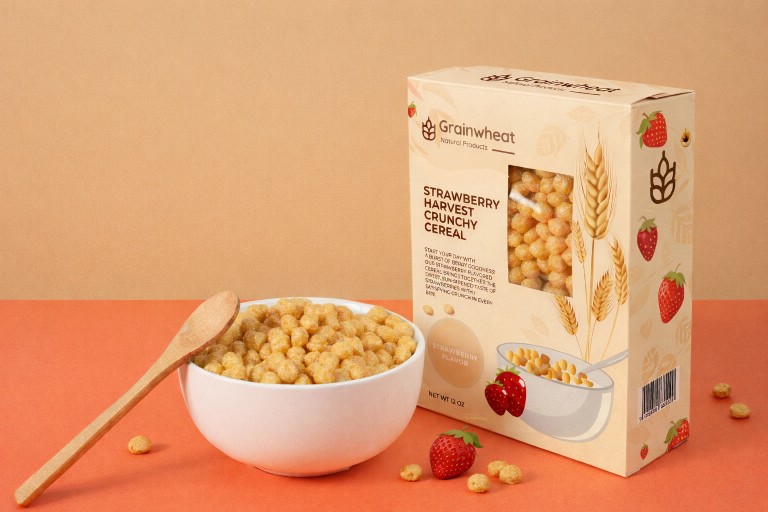
Window box packaging is a type of folding carton, rigid, or corrugated packaging that includes a transparent panel. This allows customers to view the actual product inside without opening the package.
Unlike traditional packaging that relies entirely on printed visuals, window packaging brings true product visibility, strengthening trust and significantly influencing buying decisions. It turns expectations into certainty at the point of purchase.
Why Window Box Packaging Performs Better in Retail and E-commerce
Often referred to as product display packaging or retail packaging with see-through windows, this format is widely used by brands that want to combine visibility with branding. From transparent display boxes to custom window packaging formats, the goal remains the same: help customers evaluate the product instantly while reinforcing brand perception. Modern consumers are more cautious and selective. They want clarity, transparency, and assurance before buying. Window packaging meets these expectations by letting the product speak for itself.
In stores, this visibility sets products apart. Most items compete through graphics and messaging. Retail window packaging adds a physical feature that draws attention. Customers stay longer, inspect the product, and feel more confident about quality.
In e-commerce, the effect is different but still vital. Window packaging improves the unboxing experience and aligns expectations with reality. This lowers dissatisfaction and returns. When customers get what they saw, or better, trust grows and repeat purchases increase.
Types of Window Box Packaging and When to Use Them
The effectiveness of window packaging depends heavily on the choice of structure. Different products require different levels of protection, presentation, and branding.
- Folding carton window boxes are commonly used for lightweight retail products. Folding carton window boxes provide cost efficiency and strong visual appeal, making them ideal for cosmetics, small accessories, and everyday consumer goods.
- Rigid window boxes provide a premium, durable packaging solution that enhances product presentation and creates a luxury feel for gift sets and high-value items.
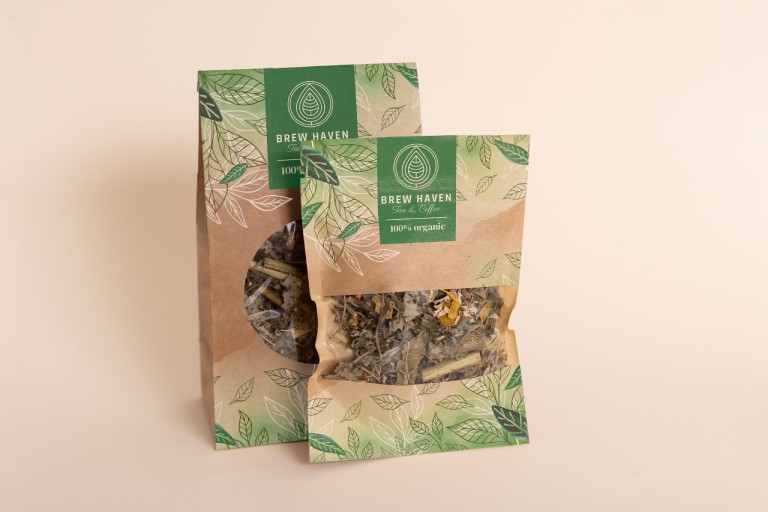
- Kraft window boxes and bags are widely used by brands focused on sustainability. The natural appearance of sustainable kraft boxes communicates eco-conscious values while still allowing product visibility through either a film window or a die-cut opening.
For brands seeking flexible product display solutions, window-cutout packaging showcases products while maintaining strong branding and structure.
How to Design Window Box Packaging That Actually Converts
Designing window packaging is not just about cutting a window; it’s about controlling how the product is perceived.
- Highlight the right product area: Window placement is critical. It should highlight the most visually appealing or informative part of the product. For example, in cosmetics, this could be the color or texture; in food packaging, it could be freshness or ingredient quality.
- Balance window size with structural strength: The window's size must be carefully balanced with structural strength. While larger windows increase visibility, they can compromise structural integrity if not engineered properly. This is where material selection and structural design become essential.
- Choose materials that align with your brand positioning: Material choices also influence perception. A smooth, white SBS board conveys a clean, premium feel, while a kraft material suggests sustainability and authenticity. Corrugated structures, on the other hand, emphasize durability and practicality.
- Keep branding clean around the window: Equally important is what surrounds the see-through window. Over-designing the area with excessive text or graphics can distract from the product itself. The most effective designs use negative space strategically, keeping the product the focal point while branding elements support it subtly.
- Ensure precision in die line and production: Precise die line development ensures window edges are clean, symmetrical, and consistent across production. Poor execution in this area can reduce the perceived quality of the entire package.
Customization That Elevates Window Packaging
Customization is where window packaging transitions from functional to premium. Brands often enhance their packaging with tactile and visual finishes that complement the product inside. Foil stamping can highlight logos and create a metallic contrast against matte surfaces. Embossing or debossing adds depth and texture, making the packaging more engaging to touch.
Die-cut windows can also serve as a branding element. Instead of simple rectangles, brands use custom shapes that reflect their identity, making the packaging more memorable.
These enhancements not only enhance aesthetics but also increase perceived value, directly influencing pricing power and customer perception.
Best Use Cases for Window Box Packaging
Window box packaging performs best when the product’s visual appeal directly influences buying decisions, especially in categories where presentation drives perceived value.
It is widely used across industries such as cosmetics, skincare, bakery, and retail accessories, where customers prefer product display packaging that builds trust instantly. When a product features rich colors, textures, or detailed craftsmanship, a custom window box helps showcase product quality before purchase, making it easier for customers to decide. This is particularly effective for brands looking to use custom window packaging boxes for cosmetics and retail products to improve shelf impact and reduce buyer hesitation.
For multi-item products, bundles, or kits, window packaging becomes even more powerful when combined with structured inserts. This allows brands to create custom window packaging with protective inserts to organize product presentation, ensuring items stay secure while delivering a clean, premium unboxing experience.
Sustainable Window Packaging Without Compromise
Sustainability has become a key driver in packaging decisions, but it no longer requires compromising on performance or design. Brands are adopting recyclable window films or eliminating plastic altogether through die-cut openings that maintain product visibility. Kraft-based materials further reinforce eco-friendly positioning while offering a natural, premium aesthetic that resonates with modern consumers. By integrating sustainable materials and smart design, window box packaging can meet environmental expectations without sacrificing functionality or visual impact.
Trusted by brands across retail, e-commerce, and cosmetics industries, window packaging has become a proven strategy for improving product presentation and sales. In a market where attention is limited and decisions are made quickly, packaging must do more than communicate; it must convince. Traditional packaging relies on design and messaging to express value, but window packaging simplifies this process by letting the product speak for itself. Reducing uncertainty and making the buying experience more intuitive helps customers decide faster and with greater confidence. More than a visual upgrade, it signals transparency and authenticity, qualities that modern consumers actively look for, making custom packaging with a window a smart, conversion-driven choice for today’s brands.
FAQs – Window Box Packaging
Q: Does window box packaging increase sales?
A: Yes. Allowing customers to see the product builds trust and improves conversion rates, especially in visually driven industries.
Q: Can window boxes be eco-friendly?
A: Yes. Brands can use recyclable films or plastic-free cut-outs to achieve sustainability goals.
Q: What industries benefit the most from window box packaging?
A: Cosmetics, food, retail accessories, and gift products benefit the most from window box packaging due to their reliance on visual appeal.
Professional Design & Printing Services
Printingblue offers customized commercial printing solutions to meet your business needs. Our expert team delivers top-notch design and printing services that exceed expectations. Contact us today for a free consultation.